

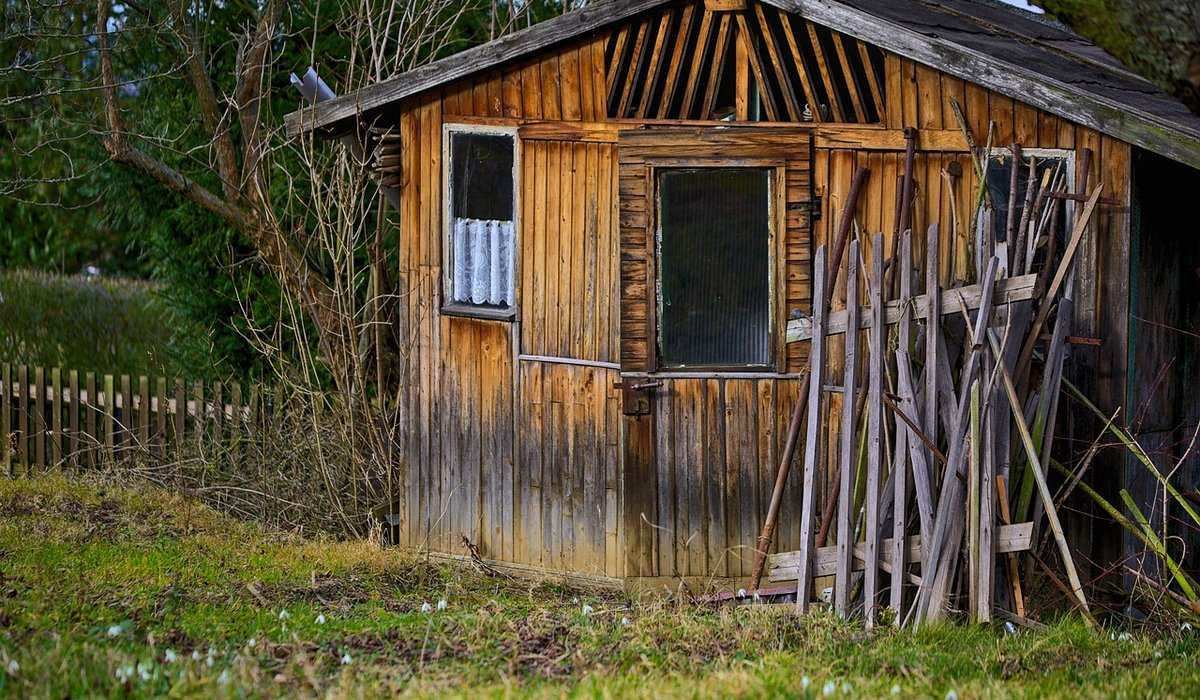
Dry shade is the awkward patch every garden seems to have. It turns up beside a north-facing fence, under the drip line of a mature apple tree, or in the narrow gap between a wall and the path where rain never quite lands. The soil is usually thin, rooty and pale, and the plants that thrive there are too often the ones we spend the summer pulling out.
Gravel flips that on its head. A generous mulch of stone shades the soil surface so moisture stops evaporating in the first place, buries weed seeds in darkness, and gives a sparse planting a sense of calm and intention. In dry shade the gravel does much of the visual work, which means you can plant less and still have a border that looks considered. Add drought-tolerant perennials and a few ornamental grasses and you have a scheme that asks very little of you. Watering becomes a monthly job rather than a weekly one, and weeding is measured in minutes.
Before you order a single tonne of gravel, spend an afternoon tidying the soil underneath. It is far harder to fix later.
Then leave it a fortnight if you can. Any perennial weed that is going to reappear will do so, and you can deal with it before it is hidden under stone.
The best dry-shade planting is roughly a third evergreens for structure, a third foliage perennials for bulk, and a third flowering things for seasonal lift. These are the ones I return to again and again.
Space them a little closer than you would normally, roughly 30cm apart for the smaller perennials. Dense planting is the best weed suppressant there is.
Plant first, mulch second. Water each pot thoroughly the night before, tease out the roots, and set the crown just at soil level — slightly proud on clay, slightly sunk on sand. Water in well and let it settle for a few days.
Then spread 5–8cm of gravel. A 10–14mm pea gravel or a 20mm angular stone both work; avoid anything too rounded, which tends to roll into paths, and avoid limestone on acid-loving plants such as epimediums and ferns. Keep the stone clear of plant crowns by a couple of centimetres so stems do not rot. If you are mulching around existing plants, hold back the gravel with one hand while you tip with the other.
This is a low-maintenance garden, not a no-maintenance one, and a little attention at the right moments keeps it looking sharp.
Repeat one plant — a single grass or a single hellebore — three or four times through the border to pull it together. Set a couple of flat stones into the gravel as stepping places so you can reach the back without treading on the mulch. And resist the urge to fill every gap: in a gravel garden, the space between plants is part of the design, not an admission of failure. Let it be quiet. It will look better for it.

Indigobower Simple, genuine and looked after with care — the kind of place worth returning to.

Indigobower No rushing, no fuss — just thoughtful notes and practical help, written by people who care.

Plant early, mid and late varieties at different depths so your pots and borders bloom for weeks rather than a brief fortnight.

Comments
ALina Kelian
19th May 2018 ReplyIndigobower An honest, everyday look at the things that make life a little better — with advice you can actually use. ullamco laboris nisi ut aliquip ex ea commodo consequat.
Rlex Kelian
19th May 2018 ReplyIndigobower No rushing, no fuss — just thoughtful notes and practical help, written by people who care. ullamco laboris nisi ut aliquip commodo.
Roboto Alex
21th May 2018 ReplyIndigobower We spend our time finding what works so you don't have to, and sharing exactly what made the difference. ullamco laboris nisi ut aliquip ex ea commodo consequat.