

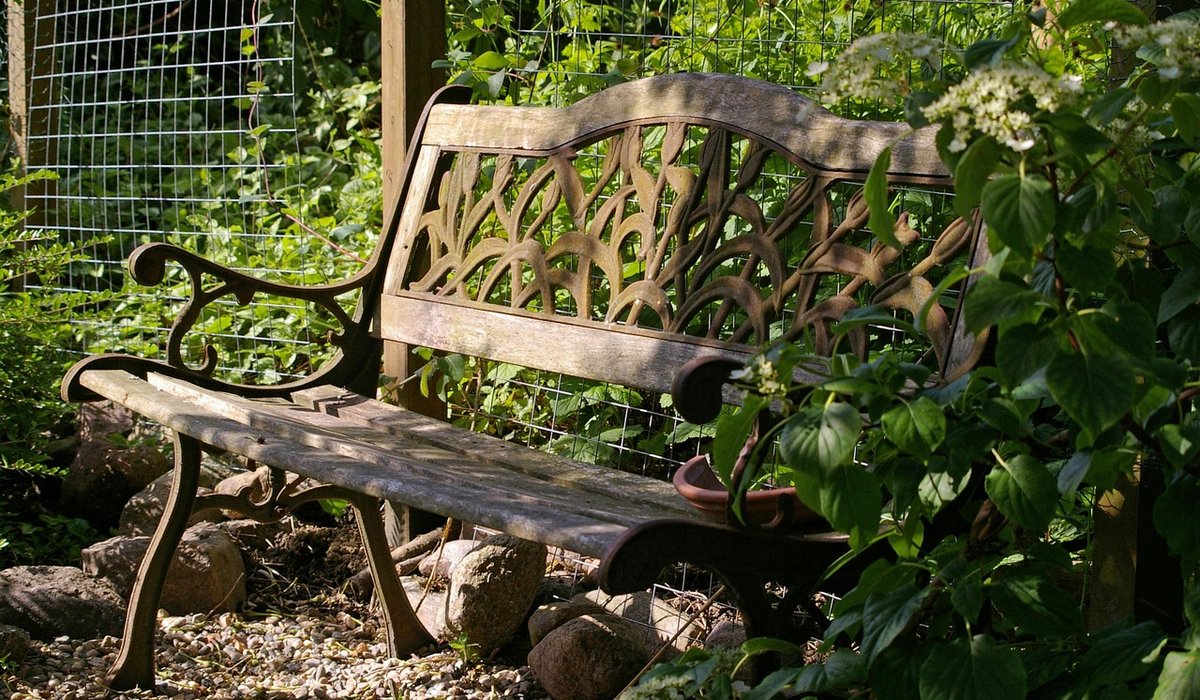
Solitary bees are the unsung heroes of the British garden. Unlike honeybees, they don't live in hives; each female works alone, laying her eggs in individual cells. Around 70% of our solitary bee species nest underground, but the rest—leafcutter bees, mason bees, and their kin—seek out hollow stems or beetle holes in dead wood. In a tidy garden, these natural cavities are often scarce. That's where your prunings come in. A simple bundle of hollow stems, or a block of untreated wood with drilled holes, can become a vital nesting site. It's a small project with a big payoff: more pollinators for your flowers, fruit, and veg, and a front-row seat to one of nature's most fascinating life cycles.
The best stems are hollow, straight, and come from your own garden. Think spent raspberry canes, which are naturally hollow and easy to cut. Other good options include bamboo, elder, buddleia, and young ash or hazel shoots. Avoid anything that has been treated with pesticides or preservatives. Cut stems into lengths of 10–15cm (4–6 inches). The diameter matters: solitary bees come in different sizes, so aim for a mix of 2mm to 10mm. A 6mm hole suits many leafcutter bees; 8mm is perfect for red mason bees. Use secateurs to cut cleanly, then gently push a thin stick or wire through each stem to remove pith or debris. Bundle them tightly—bees prefer a snug fit.
You don't need fancy carpentry. An old tin can, a piece of drainpipe, or a wooden box works well. The key is to keep the stems dry and secure. Gather 20–30 stems of varying diameters. Stand them upright in the container, with the hollow ends facing out. If using a tin, remove both ends and line the inside with a sheet of cardboard to prevent condensation. Pack the stems tightly so they don't shift. You can also tie a bundle with garden twine and hang it under a sheltered eave. For a more permanent structure, build a simple wooden frame from scrap timber: a back board, two sides, and a roof. Fill the space with your stem bundle. Angle the frame slightly forward so rain runs off.
If you have an offcut of untreated hardwood—oak, ash, or beech—you can create a solid bee block. Avoid softwoods like pine, which splinter, and never use treated timber. Drill holes 8–10cm deep, using a sharp bit. The diameter should range from 2mm to 10mm, but don't drill all the way through; leave a solid back. Space holes about 2cm apart. Sand the surface smooth to remove splinters, then brush out dust. Mount the block horizontally or vertically, with the holes facing slightly downwards to keep rain out. A block like this can last for years, though you'll need to replace it when the holes become worn or mouldy.
Location is everything. Solitary bees need warmth, so choose a south- or south-east-facing spot that gets full sun for most of the day. Mount your hotel at least a metre off the ground, ideally on a wall, fence, or sturdy post. Shelter it from strong winds and driving rain—under a wide eave or against a warm wall is ideal. Avoid placing it near bird feeders or dense shrubs where predators lurk. If you have a small balcony or courtyard, a sunny wall is perfect. The hotel should be stable; swaying or rattling will deter nesting females. Once sited, leave it alone. Bees need time to find it, often returning to the same spot year after year.
Maintenance is minimal but important. In late autumn, after the bees have emerged, gently remove the stems or block. Check for mould, mites, or blockages. Replace any hollow stems that are damaged or damp. If you used a wooden block, you can clean the holes with a pipe cleaner, but don't use chemicals. Store the hotel in a cool, dry shed over winter to prevent frost damage, then put it back out in early spring. Avoid moving it while bees are active (March to September). And remember: solitary bees are harmless. They won't sting unless handled roughly, and they pollinate far more efficiently than honeybees. Your prunings have never worked so hard.

Indigobower Simple, genuine and looked after with care — the kind of place worth returning to.

Indigobower No rushing, no fuss — just thoughtful notes and practical help, written by people who care.

Compare corded, cordless and petrol models by weight, blade length and noise, then match the tool to your hedges and storage.

Comments
ALina Kelian
19th May 2018 ReplyIndigobower An honest, everyday look at the things that make life a little better — with advice you can actually use. ullamco laboris nisi ut aliquip ex ea commodo consequat.
Rlex Kelian
19th May 2018 ReplyIndigobower No rushing, no fuss — just thoughtful notes and practical help, written by people who care. ullamco laboris nisi ut aliquip commodo.
Roboto Alex
21th May 2018 ReplyIndigobower We spend our time finding what works so you don't have to, and sharing exactly what made the difference. ullamco laboris nisi ut aliquip ex ea commodo consequat.